

The Case for Witnessed Cremation: Debunking the Myths
This is the second in a special series that takes a deep dive into the benefits and logistics of offering witnessed cremation services to families when appropriate facilities are available — and when families are open to it. Next week, we’ll cover the flip side of last week’s closure argument, and what unwitnessed direct cremation can quietly cost a family.
“I went to my Nana’s cremation, and after she went behind the curtain, there was a slight gap, and all we could see is flames. It was horrific and you couldn't pay me to do another one in all honesty.”
There are so many things wrong with this statement — a response by “barbie91” to the question, “Has anyone witnessed a cremation, thoughts?”, which was posted to the askfuneraldirectors subReddit five months ago.
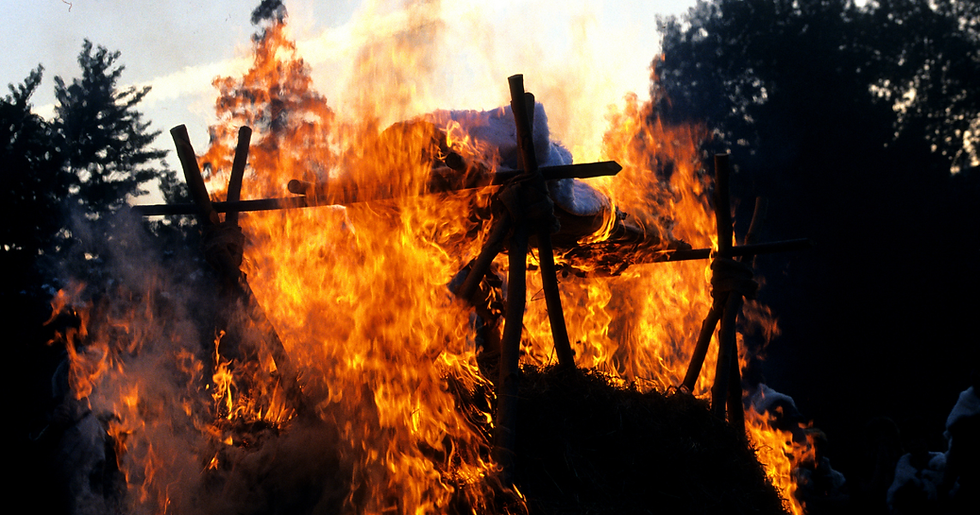
Fire blazing inside the retort. Flames shooting out toward the family. A casket being pushed slowly through the hell-like orifice. Sadly, this is the experience too many people assume they’ll have if they were to choose to witness a loved one’s cremation. And it’s simply not what really happens. Or, at least, it shouldn’t be.
What it’s really about
During a recent presentation to members of The Independent Funeral Group, Christi Moon Robbins, The Group’s Associate Executive Director and a licensed funeral director, embalmer, and certified cremation operator at the East Tennessee Cremation Company, admitted that too many families have seen television shows, movies, and horrific YouTube videos originating from other countries that depict cremation as a nightmarish scene of licking red and orange flames rolling from the gaping mouth of a metal behemoth in a dark and dirty room.
To dispel these myths, she added, funeral directors must begin to shift the conversation from what happens within the cremation equipment to what’s really important about witnessed cremation.
“It’s not about the machine or the combustion,” shared Robbins. “It’s about accompanying a loved one to the point where the cremation begins.”
First impressions matter
Robbins and her team at East Tennessee Cremation Company have developed protocols and created a space that makes the accompaniment such a moving experience that the cremation equipment is often the last thing families will remember. But that doesn’t mean that the equipment doesn’t matter when it comes to witnessed cremations.
Upon arrival, families should find a cremator with an spotless exterior and thoroughly cleaned interior. They should be able to see for themselves that the retort doesn’t look like the aftermath of a campfire or include flamethrowing, incinerating jets.
Most seasoned cremation operators will tell you that every machine is unique. Their features vary, they function differently, and eventually develop their own personalities.
“Your equipment is your equipment, and no one knows it better than you,” adds Robbins. “Family witnessing does not mean that every part of the cremation process must be seen. As the cremation professional, you understand your facility, your equipment, and the process well enough to determine what can be witnessed safely and appropriately. The key is communication. Thoughtfully preparing families for what they may see, what they may not see, and why, whether that be a straight forward view or a side view witness. We can create a meaningful opportunity for accompaniment without compromising safety, dignity, or professional judgment.”
The right reassurances
Later in this series, we’ll delve deeper into some proper ways to introduce the opportunity for witnessed cremation with families. But everyone should be prepared to dispel a family member’s misconceptions about what will happen to their loved one during the cremation process.
Instead of leaping flames, sparks, and smoke, families should picture a sealed, heavily insulated steel chamber with a clean, brick interior. If they’re not present for the process, perhaps showing them a photo of the cremation equipment will help.
Rather than an open fire consuming their loved one’s remains, they should understand that extreme, uniform radiant heat is the mechanism that will eventually reduce the body to the form they often refer to as “ashes”. It can be described as a highly controlled, clinical, and quiet process.
And never should any family, witnessing or not, leave your facility with an image in their heads of anything burning — only a solid steel door that closes peacefully after the deceased is respectfully placed behind it.


